
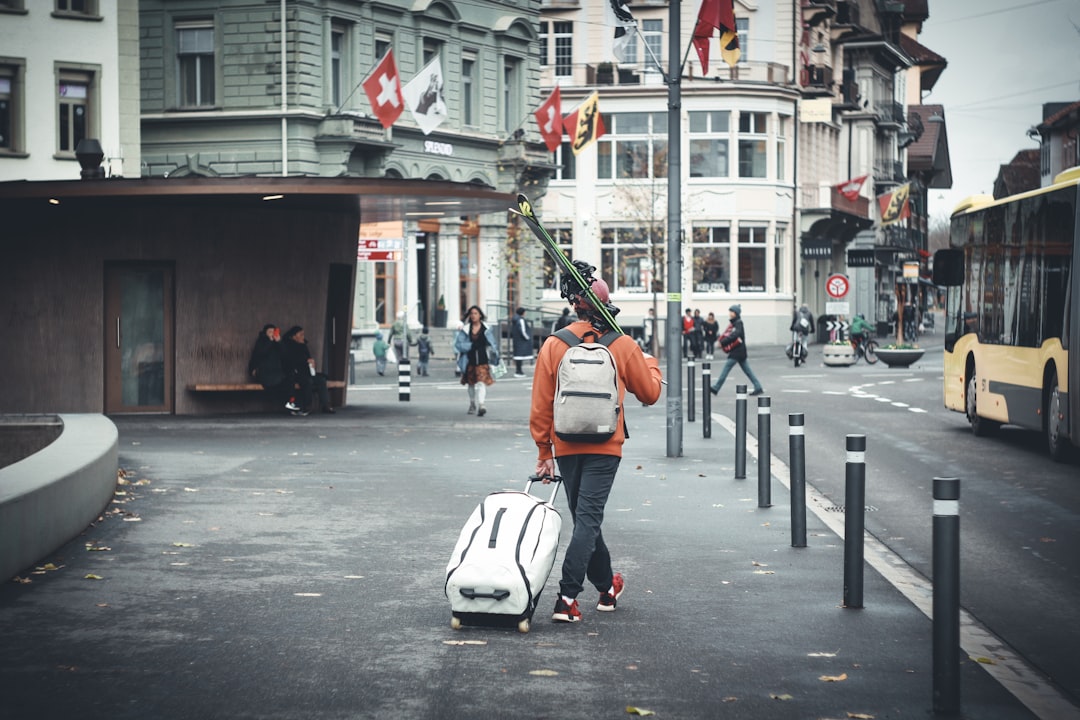
The Joy of Slow Travel: Savoring Each Moment
In a world that thrives on speed and instant gratification, the concept of slow travel may seem like a radical idea. However, the beauty of taking your time to explore a destination is that it allows for deeper connections, more meaningful experiences, and the chance to really soak in the essence of a place. Let’s explore the philosophy of slow travel, the benefits it brings, and some practical tips for incorporating it into your next adventure.
### What is Slow Travel?
Slow travel is about prioritizing quality over quantity. Instead of rushing through a checklist of sights, slow travelers immerse themselves in the local culture, take the time to meet locals, and engage with their surroundings. It’s not about cramming as many landmarks into a day as possible; it’s about understanding a place on a deeper level. Imagine sipping coffee at a small café, engaging in a conversation with the barista, and learning about the community’s history. This is the essence of slow travel.
### Benefits of Slow Travel
1. **Deeper Connections**: When you slow down, you have the opportunity to engage more fully with your environment. You can strike up conversations, explore local traditions, and appreciate the subtleties of culture that might otherwise be missed in a hurried itinerary.
2. **Mental Health Benefits**: The hustle and bustle of modern travel can be overwhelming. Slowing down allows you to unwind, recharge, and enjoy the serenity of your surroundings. It can lead to a more fulfilling and rejuvenating experience, reducing travel-related stress.
3. **Sustainable Choices**: Slow travel often aligns with eco-friendly practices. By staying in one place longer, you can reduce your carbon footprint by minimizing transportation and supporting local businesses rather than large hotel chains and tourist traps.
4. **Cost-Effectiveness**: Rushing from one destination to another often incurs higher transportation costs. Staying put for an extended period can lead to savings on travel expenses, allowing you to invest in local experiences or cuisine.
### Practical Tips for Slow Travel
– **Choose a Base**: Instead of bouncing from city to city, choose a single location to use as your base. This could be a cozy apartment, a guesthouse, or a campsite. From there, take day trips to explore nearby attractions at your leisure.
– **Engage with Locals**: Make an effort to meet local residents. Attend community events, take part in workshops, or simply strike up conversations at markets. Locals can provide insights and recommendations that you won’t find in guidebooks.
– **Plan Less, Experience More**: While having a loose itinerary can be helpful, try to leave plenty of room for spontaneity. Allow for unexpected detours and unplanned adventures. Sometimes the best moments arise from going off-script.
– **Document Your Journey**: Instead of just snapping photos for social media, consider keeping a travel journal. Documenting your thoughts, experiences, and interactions can deepen your appreciation for the journey and help you savor the memories long after you return home.
– **Prioritize Local Cuisine**: Eating at local eateries rather than chain restaurants allows you to experience authentic flavors and support the local economy. Take the time to savor your meals, and perhaps even take a cooking class to learn how to make traditional dishes.
### In Conclusion
Slow travel is a refreshing antidote to the fast-paced travel culture we often find ourselves in. By embracing this approach, you’ll not only enhance your travel experiences but also foster a greater understanding of the world around you. So, next time you plan a trip, consider slowing down and savoring each moment. You may just discover that the journey is as enriching as the destination itself.


