
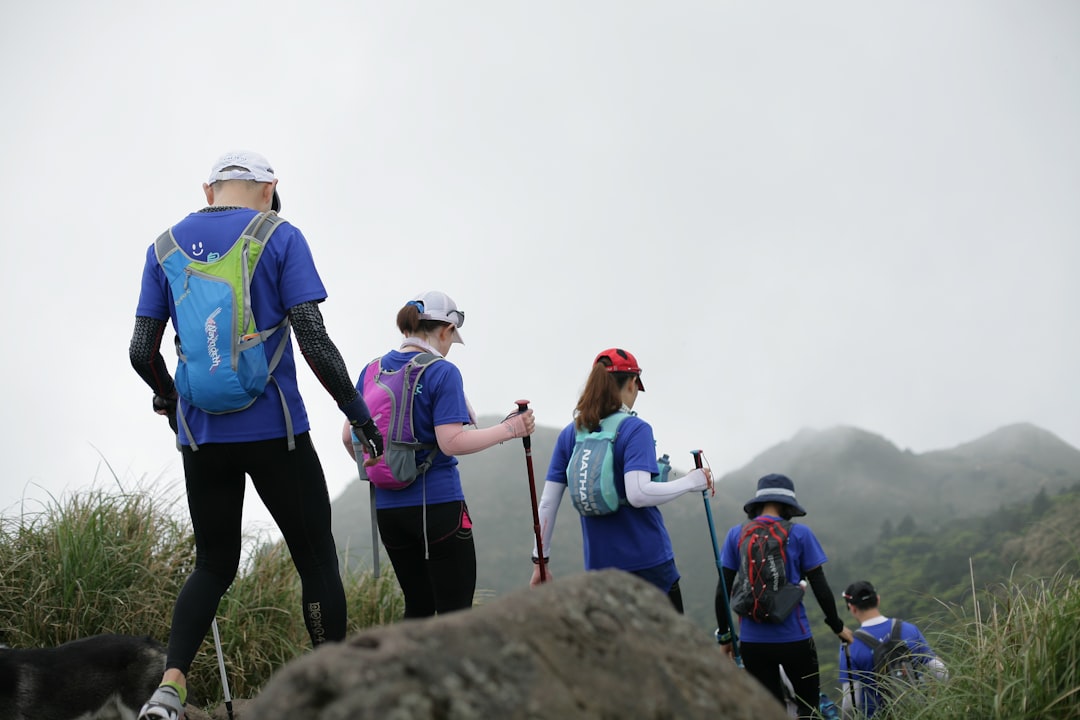
The Art of Slow Travel: Savoring Every Moment in the Great Outdoors
In a world that often glorifies speed and efficiency, the concept of slow travel is gaining traction among adventurers and wanderers alike. Slow travel emphasizes immersing oneself in the culture, environment, and experiences of a destination, rather than racing through a checklist of must-see sights. It’s about savoring every moment in the great outdoors, and this blog will delve into why you should embrace this enriching travel philosophy.
Imagine this: you arrive in a picturesque mountain town. Instead of rushing to capture Instagram-worthy photos of the famous peak, you decide to spend a few days exploring the local trails, chatting with residents, and sampling the unique flavors of the region. You take the time to breathe in the crisp air, feel the warmth of the sun on your skin, and allow the rhythm of nature to guide your journey.
One of the most beautiful aspects of slow travel is the opportunity it provides for connection—both with nature and with people. Instead of the sterile, rushed interactions often found in tourist traps, slow travel encourages genuine relationships. Whether it’s sharing a meal with locals or participating in a community event, these connections can deepen your understanding of the place you’re visiting.
For those seeking budget-friendly options, slow travel can actually save you money. Instead of spending on quick flights or expensive hotels, consider road trips, camping, or renting a cabin in the woods. These choices not only reduce costs but also enhance your experience by placing you right in the heart of nature. Imagine waking up to the sound of birds chirping rather than a blaring alarm, or enjoying a sunset with friends around a campfire instead of a crowded bar.
In terms of eco-friendly alternatives, slow travel is a perfect match for those passionate about sustainability. By reducing your travel footprint—taking trains instead of planes, staying longer in one place, and consuming local products—you contribute to a healthier planet. You’ll also find that local businesses often prioritize sustainability, offering organic meals and eco-friendly accommodations that align with your values.
But slow travel isn’t just about the destination; it’s also about the journey itself. Consider adding a DIY approach to your travels by planning unique experiences that aren’t dictated by standard itineraries. Create your own hiking trail map, learn to forage for wild edibles, or even engage in volunteer work while you travel. Each of these experiences allows you to engage more deeply with the land and its people, making your trip not just a vacation, but a transformative journey.
Psychologically, slow travel offers a chance to disconnect from the fast-paced world we inhabit. The benefits of spending time outdoors—reduced stress, increased happiness, and a stronger sense of belonging—are well-documented. Taking the time to immerse yourself in nature allows your mind to rest and rejuvenate. Nature has a way of putting things into perspective, and as you slow down, you may find clarity in thoughts that have been clouded by the noise of everyday life.
As you plan your next outdoor adventure, consider what slow travel means for you. How can you immerse yourself in your surroundings? What local experiences can you explore? This approach not only enhances your travel experience but also enriches your life in ways that are often overlooked.
In a world that celebrates speed and efficiency, slow travel invites us to take a step back and appreciate the beauty that surrounds us. Whether you’re hiking through a national park, strolling through a quaint village, or simply enjoying the sound of a river, every moment is an opportunity to connect—both with nature and with yourself. So pack your bags, lace up your hiking boots, and embark on a journey that’s less about the destination and more about the moments that take your breath away.


